
From Groceryshop to Last Mile Delivery
It’s been a busy few weeks at Spring.
We recently wrapped Groceryshop, where conversations focused on what’s next across retail, AI, technology and field execution. Now, we’re looking ahead to our next stop: Last Mile Delivery. Across both events, one theme continues to stand out: better visibility leads to better execution.
Groceryshop Recap
Spring’s David Owen joined retailers, brands and technology leaders at Groceryshop to talk about where the industry is headed and what teams need to keep pace.
2 Trends That Stood Out:
01 — AI is changing how ordering happens
Agentic Ordering and AEO came up often, pointing to a future where AI plays a larger role in how products are discovered, demand is understood and orders are placed.
For Spring, the opportunity is in the data. Field insights can add valuable context around demand, ordering and execution helping AI and teams make informed decisions.
02 — Robotics is bringing more intelligence to the shelf
AI-powered robotics also had a big presence using cameras and computer vision to identify stockouts, monitor planograms and better understand what’s happening on the shelf.
That intelligence becomes even more valuable when it leads to action. Spring can help connect shelf and field data so teams can better understand what needs attention and respond.
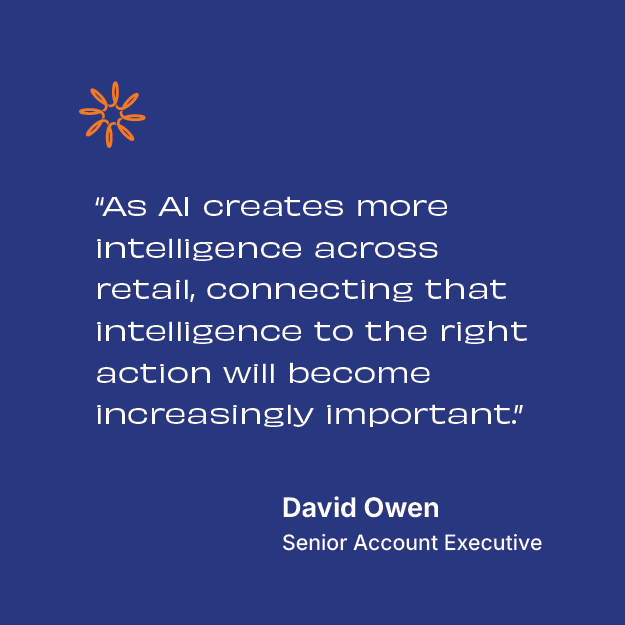
David’s takeaway: As AI creates more intelligence across retail, connecting that intelligence to the right action will become increasingly important—and that’s where Spring fits.
Next Up: Last Mile Delivery Conference & Expo
October 22–23 | Las Vegas
The Spring team will be in Las Vegas connecting with leaders across retail, logistics, supply chain, e-commerce, manufacturing and technology at the Last Mile Delivery Conference & Expo.
We’re looking forward to conversations around smarter field execution, greater visibility and how better intelligence can lead to better decisions.
Geofencing in Action: Accuracy Without the Extra Step
For Red Bull, Spring’s geofencing capabilities can create precise fences around individual customer addresses. As a driver enters or leaves the location, those events can be captured automatically without relying on someone to manually start and finish a visit.
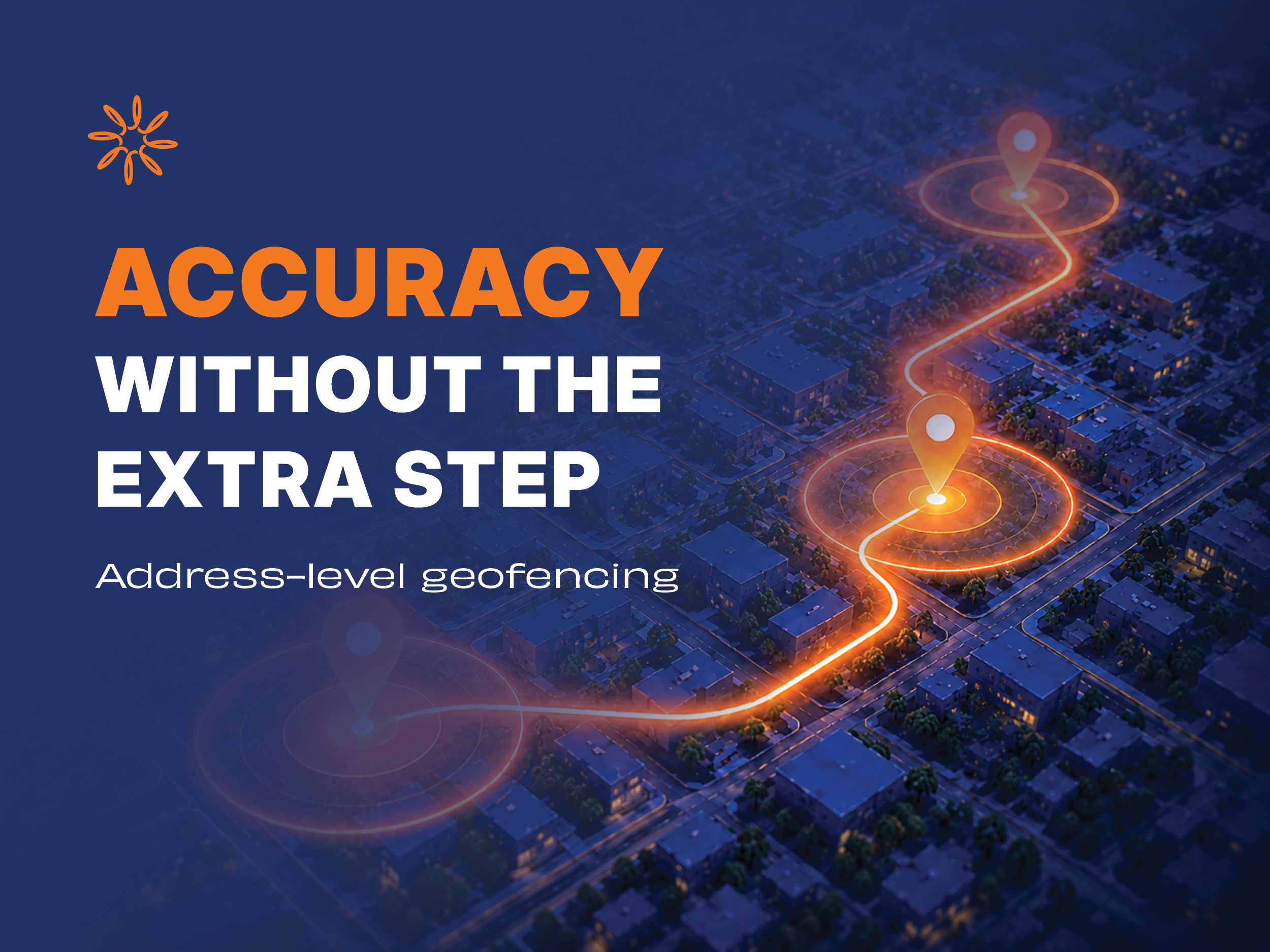
Knowing a rep or driver visited a location is useful. Knowing they were at the right location, at the right time, for the right amount of time is way more valuable. Consider Manhattan, where customer locations can be just a short distance apart.
More accuracy. Address-level geofencing helps distinguish between nearby customer locations.
Less manual work. Entry and exit events can be captured without adding another step to a rep’s day.
Better visibility. Teams can see when reps arrive, when they leave and how much time they spend on site.
Greater accountability. More reliable activity data gives leaders greater confidence
That creates a clearer, more reliable view of field activity: It’s a simple shift with a meaningful impact: less reliance on manual reporting and a clearer understanding of what’s happening in the field.
From Insights to Action
From the conversations happening at Groceryshop and Last Mile Delivery to the activity happening at each customer location, the goal is the same: Give teams better information and make it easier to act on it.
All resources